


How to Market a Self-Help Book: 20 Strategies That Actually Build Readers

What I’ve Learned From Marketing The Change Guidebook, The Success Guidebook, The Peace Guidebook and More
Writing a self-help book is one thing. Getting someone to notice it, trust it, buy it, read it, finish it, talk about it, and recommend it to someone else is an entirely different job.
That may be the part of publishing nobody explains particularly well.
I've written and marketed enough books to know there isn't one magical thing that sells a book. I've published with major publishers. I've had wonderful endorsements, awards, national media appearances, podcast interviews, Amazon rankings, Goodreads giveaways, advertising campaigns, social media campaigns, speaking engagements, partnerships, and more bookstore signings than I can count without stopping to think about it.
I've also sat behind a signing table while people walked straight past me.
That's book marketing, too.
Through Percolate, The Change Guidebook, The Success Guidebook, The Peace Guidebook, and the other books I've written over the years, I've learned that selling books is rarely about one enormous break. It's usually hundreds of actions, conversations, experiments, relationships, introductions, posts, interviews, appearances, and moments of showing up that begin to compound.
Some produce immediate results. Many don't.
That's where authors can get discouraged. We are constantly shown the visible moments of publishing success: the bestseller list, the packed event, the celebrity endorsement, the viral post. We don't see nearly as much of the work that happened when nobody was watching.
I've lived enough of both to tell you this:
You cannot control every result. You can control how consistently you show up.
So if you're writing a self-help book, preparing to launch one, or staring at a book you published six months ago wondering what you're supposed to do now, here are 20 things I've learned about actually building readers.
1. Stop Marketing the Book. Market the Change.
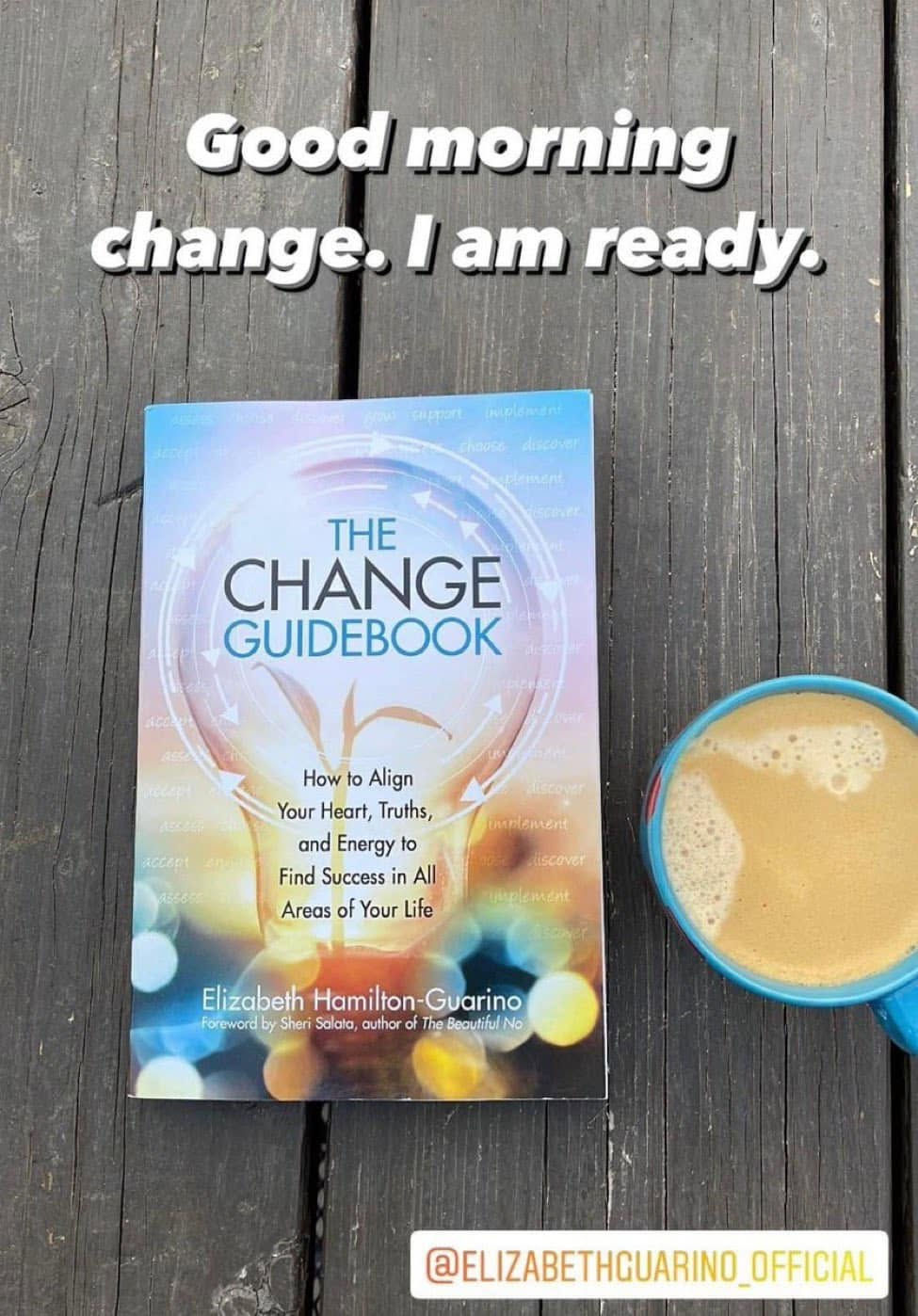
Your book may be 250 pages, but nobody wakes up wanting 250 pages.
They wake up wanting something to be different.
They want more peace. They want to navigate change. They want to become more successful. They want to repair a relationship, survive grief, improve their health, set a boundary, change careers, stop feeling overwhelmed, or understand themselves better.
That's what you're marketing.
With The Change Guidebook, the real conversation isn't "I wrote a book about change." It's what happens when life changes before you're ready.
With The Peace Guidebook, I'm not interested in simply telling people I wrote a book about peace. I'm interested in helping people understand what peace looks like on an ordinary Tuesday when someone makes you furious.
The book is the vehicle. The transformation is the destination.
Marketing lesson: Sell the change, not the table of contents.
2. Give Your Book an Idea People Can Carry

Your reader isn't going to memorize your entire book.
Give them something they can remember.
For The Peace Guidebook, one of those ideas is:
Pause. Breathe. Choose.
Three words can travel farther than three paragraphs.
Find the sentence, framework, question, practice, or phrase from your book that someone can remember during a difficult conversation, tell a friend about over coffee, or write on a sticky note.
Your book might contain 60,000 words. Find the few that can introduce people to all the others.
Marketing lesson: Memorable ideas are portable ideas.
3. Become an Authority on the Topic

Don't spend your entire marketing campaign becoming known as someone who wrote a book. Become known for what you know.
If you wrote about grief, become a trusted voice on grief. If you wrote about leadership, keep contributing to leadership conversations. If your book is about change, study change. If it's about peace, keep exploring what peace means in families, workplaces, schools, communities, leadership, relationships, and the world.
Write articles. Speak. Teach. Be interviewed. Conduct interviews. Create original ideas. Offer commentary. Keep learning.
You want the progression to move from:
"She wrote a book about that."
to:
"You should talk to her about that."
That's a completely different level of visibility.
Marketing lesson: Books can establish expertise. Consistent contribution builds authority.
4. Know Exactly Who Needs Your Book

"My book is for everyone" is almost never a marketing strategy.
Who is standing in the bookstore and recognizing themselves in your title?
Who is typing the problem into Google at midnight?
Who is listening to a podcast because they need an answer?
Get specific about the situations, emotions, transitions, problems, and questions that bring people to your subject.
Then speak directly to those moments.
Marketing lesson: The clearer you are about who needs the book, the easier it becomes for them to recognize it.
5. Make Amazon Work Harder for You
People are already on Amazon looking for books. Meet them there.
Make sure your author page is complete. Pay attention to your book description and categories. Experiment with Amazon advertising and sponsored placements. Watch what keywords and comparable books bring people to your page.
And test.
I've learned not to assume that because something gets clicks, it gets sales. Watch what happens after the click.
Advertising without measurement can become a very expensive way of feeling productive.
Marketing lesson: Don't just spend money. Learn from the money you're spending.
6. Use Goodreads Giveaways Strategically
A Goodreads Giveaway can introduce your book to readers who are already actively looking for their next book. That's valuable.
But think beyond the giveaway itself. Make sure your author presence is current. Encourage genuine reviews. Think about timing. Use the giveaway as part of a larger campaign rather than treating it like an isolated marketing trick.
The goal isn't simply to give books away.
It's discovery.
Marketing lesson: Put your book where readers are already looking for books.
7. Boost the Right Social Posts
Organic reach isn't what it once was. Sometimes a great post deserves help finding its audience. I've boosted posts on Instagram and Facebook, and I think paid amplification can absolutely have a place in a book-marketing strategy.
But boost strategically.
Don't spend money simply because a post looks pretty. If a video or post is already resonating organically, that may be a clue that it's worth putting additional reach behind it. Know what you're trying to accomplish. Awareness? Followers? Website traffic? Event attendance? Book purchases?
And remember: 50,000 views don't automatically equal 50,000 readers.
Marketing lesson: Reach is useful. Reaching the right people is better.
8. Use Video. A Lot.
People want to know the person behind the book.
Video gives them that opportunity.
Talk about why you wrote a chapter. Answer a reader question. Share one useful idea. Tell a story from the book tour. Film before a signing. Film afterward. Explain something people misunderstand about your subject.
You don't need a production crew.
I've appeared on television and done professionally produced interviews, but you know what else works?
A phone.
An idea.
And 60 useful seconds.
Please don't make every video, "Hi, my book is available now."
Help somebody.
Marketing lesson: Give people a reason to know you before asking them to buy from you.
9. Turn One Book Into 100 Pieces of Content

Your manuscript is a content library.
One chapter can become an article, several short videos, a podcast discussion, a newsletter, social posts, quote graphics, a speaking topic, a workshop, and a conversation starter.
Don't constantly invent new things to say while 60,000 words of your best thinking are sitting on your desk.
Go back into the book.
Marketing lesson: Your book isn't one piece of content. It's the source material for hundreds.
10. Give the Media a Story, Not a Book Announcement
"My new book is out" isn't necessarily news.
What is happening in the world that connects with your expertise?
That's the story.
If you're writing about change and layoffs are dominating headlines, you have expertise that matters. If you write about stress and workplace burnout is in the news, there's an angle. If you write about peace and people are struggling with division or conflict, contribute something useful.
The book establishes why you're qualified to have the conversation.
The conversation gets you booked.
Marketing lesson: Pitch relevance, not publication.
11. Get on Podcasts, and Be a Great Guest
Podcasts give authors time to actually talk. Use it well.
Don't memorize your book description and recite it. Tell stories. Give practical ideas. Make the host look good. Know the show before you arrive. Share the episode afterward.
I've hosted hundreds of podcast episodes myself, and I can tell you there is a noticeable difference between a guest who comes to promote and a guest who comes to contribute.
Be the second one.
People will remember you.
Marketing lesson: A great interview sells the book without sounding like you're selling the book.
12. Find the People Who Need 30 Copies, Not Just One
This is one of my favorites.
Stop thinking only reader by reader.
Think teams. Companies. Schools. Universities. Hospitals. Nonprofits. Athletic programs. Leadership groups. Associations. Book clubs. Conferences. Wellness programs. Coaches. Therapists.
I've become particularly interested in getting The Peace Guidebook into the hands of teams because shared ideas can become shared language.
One conversation can sell 50 books.
Or 500.
Or 5,000.
Ask a different question:
Where are my readers already gathered?
Marketing lesson: Sometimes the fastest way to reach individuals is through the communities they already belong to.
13. Turn the Book Into Something People Can Do
Self-help books shouldn't only be readable. They should be usable.
One of the things I've learned is that a book can be the beginning of an idea rather than the end of one. When we wrote The Peace Guidebook, we didn't want peace to remain something people simply read about, agreed with, and then placed back on a bookshelf. We wanted people to practice it.
That's part of why we created The Percolate Peace Project™ and PercolatePeace.com. The idea is to take the principles of The Peace Guidebook beyond the pages and invite people to actually participate in creating more peace in their own lives, relationships, families, workplaces, schools, communities, and ultimately the world.
Through the website, we can give people practical ways to engage with peace. We can offer resources, practices, challenges, tools, conversations, and opportunities for people to take an idea from the book and put it into action. We can invite individuals, teams, schools, organizations, and communities to participate rather than simply asking them to purchase a book.
And that's an important distinction when you're marketing self-help.
Ask yourself: What can someone do because my book exists?
Can they take an assessment? Join a challenge? Download a worksheet? Practice something for 30 days? Bring an exercise to their team? Start a conversation with their family? Join a larger initiative? Share their own story? Teach the idea to someone else?
For us, The Peace Guidebook is the book, but the Percolate Peace Project™ gives the ideas somewhere to go.
That's also why I believe so strongly in our goal of reaching one million people with the practice of peace. That goal isn't simply about selling one million books. It's about creating one million opportunities for someone to pause before reacting, choose compassion over judgment, repair a relationship, bring more peace into a workplace, help a child navigate conflict, or create a ripple we may never personally see.
That's when book marketing starts to become something much more interesting.
You're no longer only asking, "How can I get more people to buy my book?"
You're asking, "How can I get more people to participate in the idea behind it?"
If they participate, they have a reason to return to your website. They have something to share with someone else. Organizations have a reason to get involved. Media has a larger story to cover. Readers become participants. And the book becomes part of something that can continue growing long after publication day.
When somebody tells you, "I've been doing that thing from your book," something important has happened.
The book has become behavior.
And when enough people begin doing it, the book can become a movement.
Marketing lesson: Don't just give readers a book to read. Give them an idea they can live, practice, share, and help grow.
The book carries the message. The project carries the message into the world.
14. Create Partnerships That Make Sense
Look for organizations, experts, companies, nonprofits, associations, and communities whose missions naturally intersect with your book.
The word naturally matters.
A forced partnership feels like marketing. A genuine partnership creates value for both sides.
Ask what you can create together, not merely what they can do for your book.
Marketing lesson: Collaboration works best when both audiences benefit.
15. Give Readers Something to Share
Word of mouth is powerful, but authors can make it unnecessarily difficult.
Create memorable quotes. Reader graphics. Discussion questions. Hashtags when appropriate. Challenges. Practices. Book-club materials. Short videos people want to send to a friend.
Give people language for telling someone else why the book matters.
The easier you make an idea to share, the farther it can travel.
Marketing lesson: Don't only create content people can consume. Create ideas people want to pass along.
16. Ask for Reviews
Authors sometimes become strangely shy about this. Reviews matter.
If someone tells you they loved your book, thank them and ask whether they'd consider leaving an honest review on Amazon, Goodreads, or wherever readers are discovering it.
Don't pressure. Don't script what they should say.
Just ask.
A person telling you privately that your book changed their life is wonderful.
A person sharing that experience publicly may help another reader decide to open the book.
Marketing lesson: Your readers can say things about your book that you can't credibly say about yourself.
17. Build an Email List You Actually Talk To
Social media audiences are wonderful.
You don't own Instagram.
You don't own Facebook.
Algorithms change. Platforms change. Reach changes.
Your email community gives you a direct relationship with readers.
But don't email only when you have something to sell.
Share useful ideas. Tell stories. Give readers something worth opening. Make the relationship matter between launches.
Marketing lesson: Build a readership you can reach without asking an algorithm for permission.
18. Go Sit at the Table
Do the book signings.
I mean this one.
I've done a lot of them, especially for The Change Guidebook, The Success Guidebook and The Peace Guidebook. I've driven to bookstores in different states, carried things in and out, stood for hours, talked until I was exhausted, met incredible people, experienced busy events, and sat through slower stretches.
Sometimes people walk right past you.

Sit there anyway.
Say hello.
Talk to the booksellers.
Talk to the person who stops.
Listen to why they're buying the book.
Learn what makes someone pick it up.
You cannot get this information from an analytics dashboard.
And don't judge a signing solely by how many books you sold that afternoon. The person who buys one book may later invite you to speak to 300 people. A bookseller may begin recommending you. Someone may buy another copy next month.
I've learned that some of the work that eventually produces the greatest return doesn't appear to have much ROI when you're doing it.
That's success, too.
Show up.
Marketing lesson: Sometimes book marketing means sitting at the table long enough for opportunity to walk through the door.
19. Don't Stop Marketing Because Launch Week Ended
Launch day is not graduation day.
The Change Guidebook didn't stop being useful because The Success Guidebook came along. The Success Guidebook didn't stop mattering because The Peace Guidebook was published.
Books can have long lives if authors continue creating doors into them.
A new interview can revive an older title. A current event can make an older chapter suddenly relevant. A speaking engagement can introduce a book to an entirely new audience.
Somebody is discovering you today.
To that person, your five-year-old book is new.
Don't market a lasting book like it's yogurt with an expiration date.
Marketing lesson: Launch week creates momentum. Longevity builds readership.
20. Keep Showing Up When Nobody Can Promise You the Outcome
This is the one I would put above all the others.
Success isn't simply talent.
It's consistency.
It's tenacity.
It's doing the work.
It's being willing to do something when there is no guaranteed immediate return.
It's sending the email. Making the call. Posting the video. Driving to the signing. Sitting at the table. Pitching the interview. Following up. Trying something different. Hearing no. Trying again.
There will be things that don't work, people who promise to help and don't, and there will be posts you love that barely get noticed and something you almost didn't post that takes off.
And always, there will be authors who appear to have everything happening faster than you. Let them.
Someone else's success isn't your strategy.
Do your work.
I have learned over and over that you often cannot see where an effort is leading while you're making it. The return might arrive tomorrow. It might arrive six months later. It might arrive in a completely different form than you expected.
Your job is to keep creating opportunities for something to happen.
Marketing lesson: You can't control the outcome. You can control whether you showed up.
One More Thing: Remember Why You Wrote the Book

After twenty marketing strategies, Amazon ads, Goodreads Giveaways, Instagram posts, podcasts, videos, television interviews, emails, websites, reviews, partnerships, bulk sales, speaking engagements, book tours, and all those hours sitting behind signing tables, I keep coming back to this.
There is a person on the other side of all this.
Someone needs what you wrote, and you have no idea where or when they might discover it. They could be searching Amazon at midnight because life just changed, listening to a podcast on the way to work, watching a video someone shared with them, or opening a copy a friend thought they needed. They might first hear your ideas from the audience at an event or discover your book because their company, school, or team decided to read it together. They may even be walking through Barnes & Noble on an ordinary Saturday afternoon, see you sitting behind a table with a stack of books, stop to ask what your book is about, and realize they’ve found exactly what they were looking for.
That’s why you keep showing up. You never really know which post, conversation, interview, event, recommendation, or simple hello will put your book into the hands of the person who needs it.
Smile.
Say hello.
You came all that way.
Sell the book.
And then show up tomorrow and do it again.
Publishing the book makes you an author.
Selling it teaches you persistence.
Serving the people who read it builds trust.
Continuing to contribute to the conversation builds authority.
Doing all of it consistently, even when nobody can promise you the outcome, is how you give a good book the opportunity to become something much bigger.
When you grow, the world grows with you.
Elizabeth Hamilton-Guarino
Founder, Best Ever You Bestselling author of The Change Guidebook, The Success Guidebook, The Peace Guidebook and Percolate (co-authored with Dr. Katie Eastman)


Comments